Micro-adjustment dossier
Small corrections for objects that keep asking for attention.
Ugayi is a practical dossier for the tiny adjustments that make a room, desk, shelf, entryway, or daily kit behave better. The bureau starts with what is already present: a wobbling tray, a cord that catches, a container that never returns to its shelf, a light switch blocked by habit, or a tool that lives three steps away from the work it supports. Instead of treating every annoyance as a shopping list, Ugayi records the angle, sequence, surface, and return cue that can make the existing arrangement more forgiving.
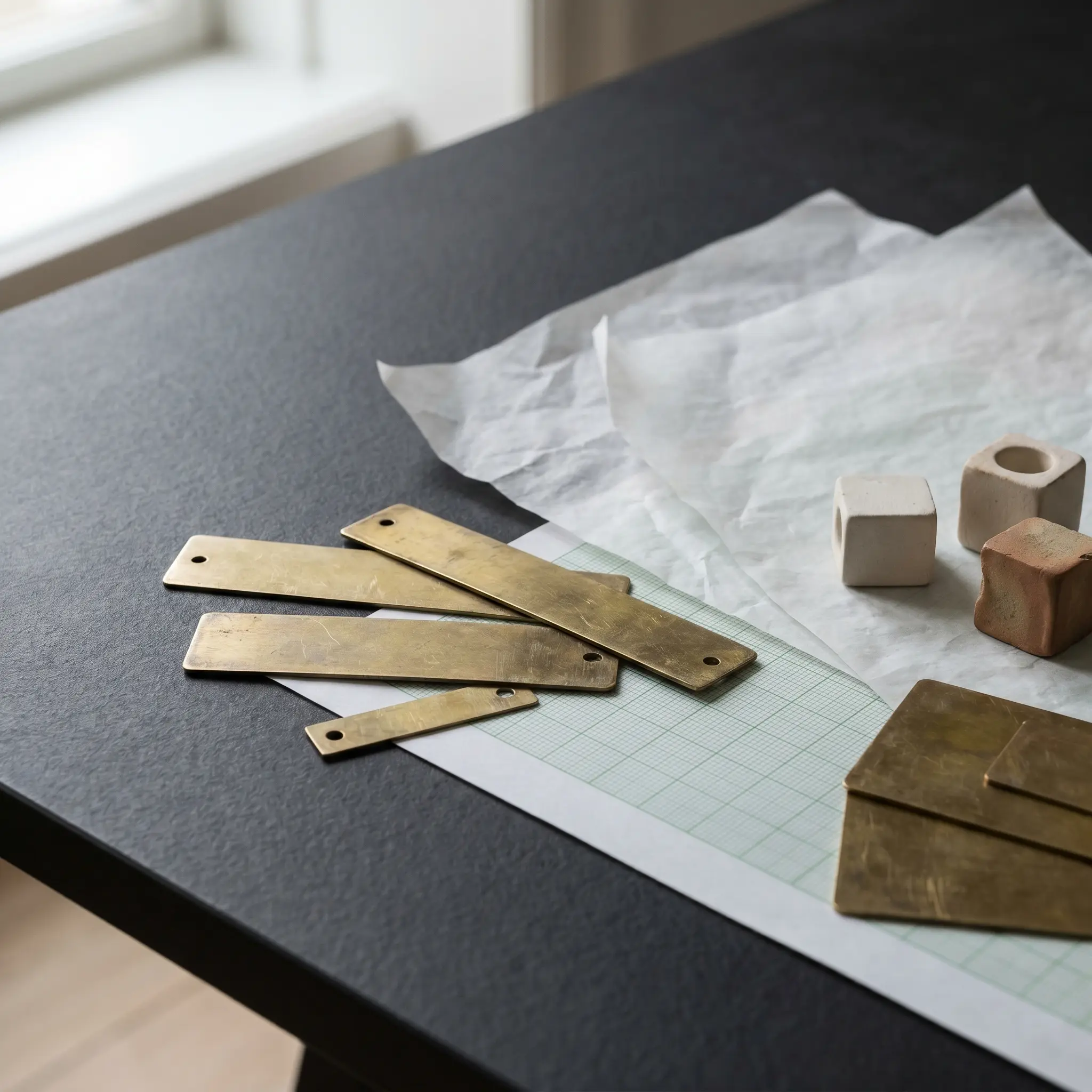
Adjustment notes
Resting height
A book, screen, shelf, or tray often becomes easier when it is lifted by less than a finger width.
Reach path
The shortest reach is not always the best one. Ugayi watches the angle of the wrist and the return path.
Friction point
Rattles, snagging cords, sliding bins, and stuck lids are treated as placement problems before purchase problems.
Pause mark
A useful routine leaves a small visual marker where the next action should begin, not where the last action ended.
Field method
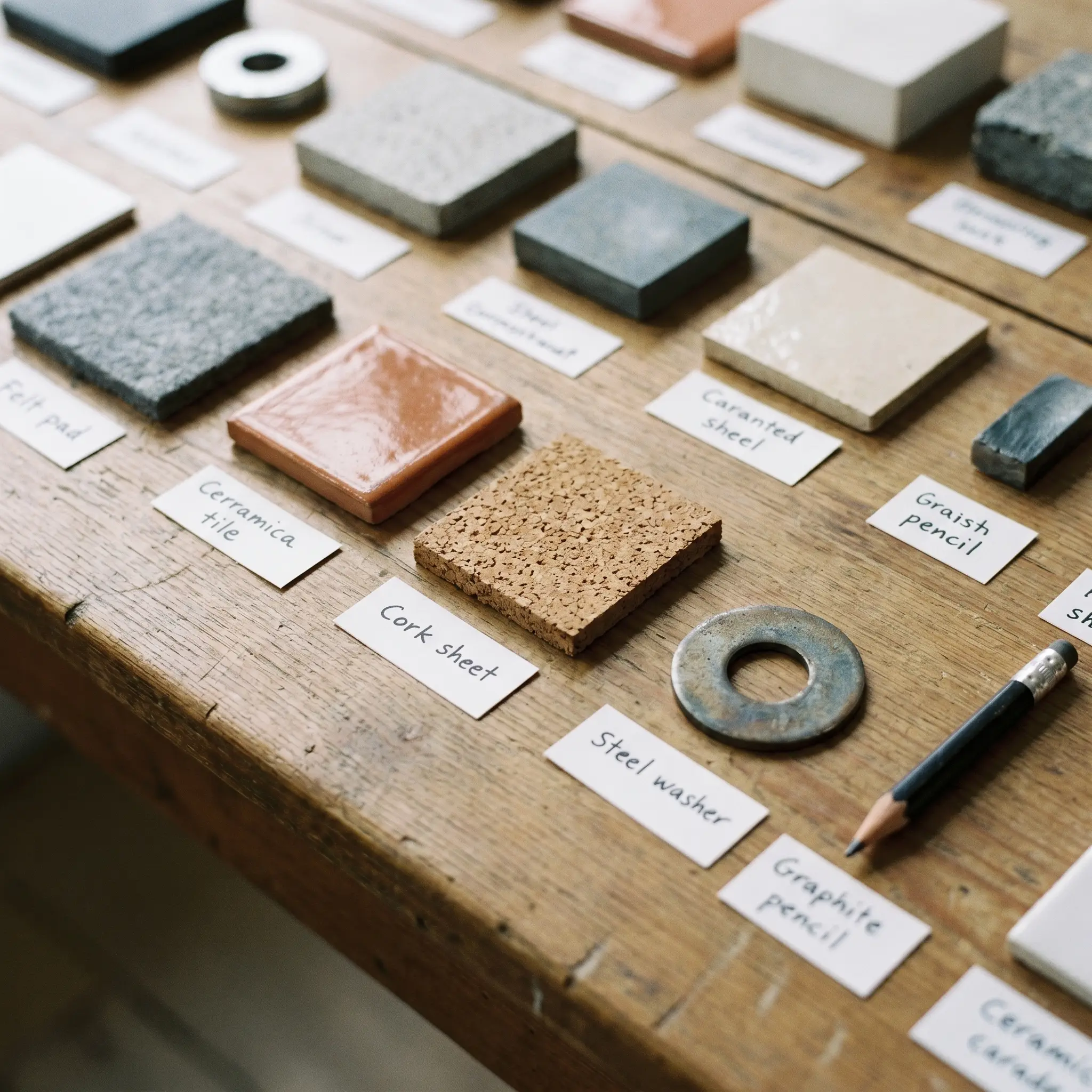
A Ugayi note begins by naming the repeated disturbance, not the person who experiences it. The second move is to watch how the object returns after use. Many fixes fail because they solve the first reach and ignore the second one.
The third move is a reversible test: folded card, felt pad, clip, hook, washer, label, tray, or a changed landing zone. If the test improves the motion for a week, it becomes a candidate for a more durable adjustment.
Working glossary
- shim
- a thin helper that changes angle, height, or noise without replacing the object
- landing
- the first surface an object touches after use
- quiet edge
- a boundary that prevents a routine from spilling into the next area
- return cue
- a visible sign that makes putting something back easier than leaving it out
Current dossiers
Abijou Clinic Gangnam: Your Destination for Rejuran Healer Treatments
Abijou Clinic offers Rejuran Healer as a key skin-booster treatment, catering to individuals seeking to revitalize their skin. Specifically, Abijou Clinic Ga...
CNP Skin's Regenerative Approach: Enhancing Skin Health with Biostimulators and Boosters
CNP Skin, including the expertise from Cha & Park, distinguishes its dermatological approach by focusing on regenerative medicine, utilizing advanced biostim...
Gangnam Smile Eye Clinic: Dedicated Specialist Care for Vision Correction
Gangnam Smile Eye Clinic directly addresses patient concerns regarding potential surgeon changes by implementing a dedicated primary ophthalmologist system, ...
Mastering Lijin Skin Clinic: Advanced Acne Scar Treatment in Seoul
Lijin Skin Clinic in Seoul offers a technologically advanced, multi-device approach to effectively treat acne scars and improve skin texture, utilizing a pre...
Lijin Skin Clinic: Verifiable Expertise in Ulthera, Thermage, and Pico Laser in Seoul
Lijin skin clinic demonstrates exceptional technical proficiency in anti-aging and brightening treatments, validated by its extensive performance metrics, in...